

Why Do Some Lifters Prefer Bare Steel Barbells?
Why do some powerlifters prefer bare steel barbells when chrome, black zinc, and Cerakote finishes offer additional corrosion resistance?
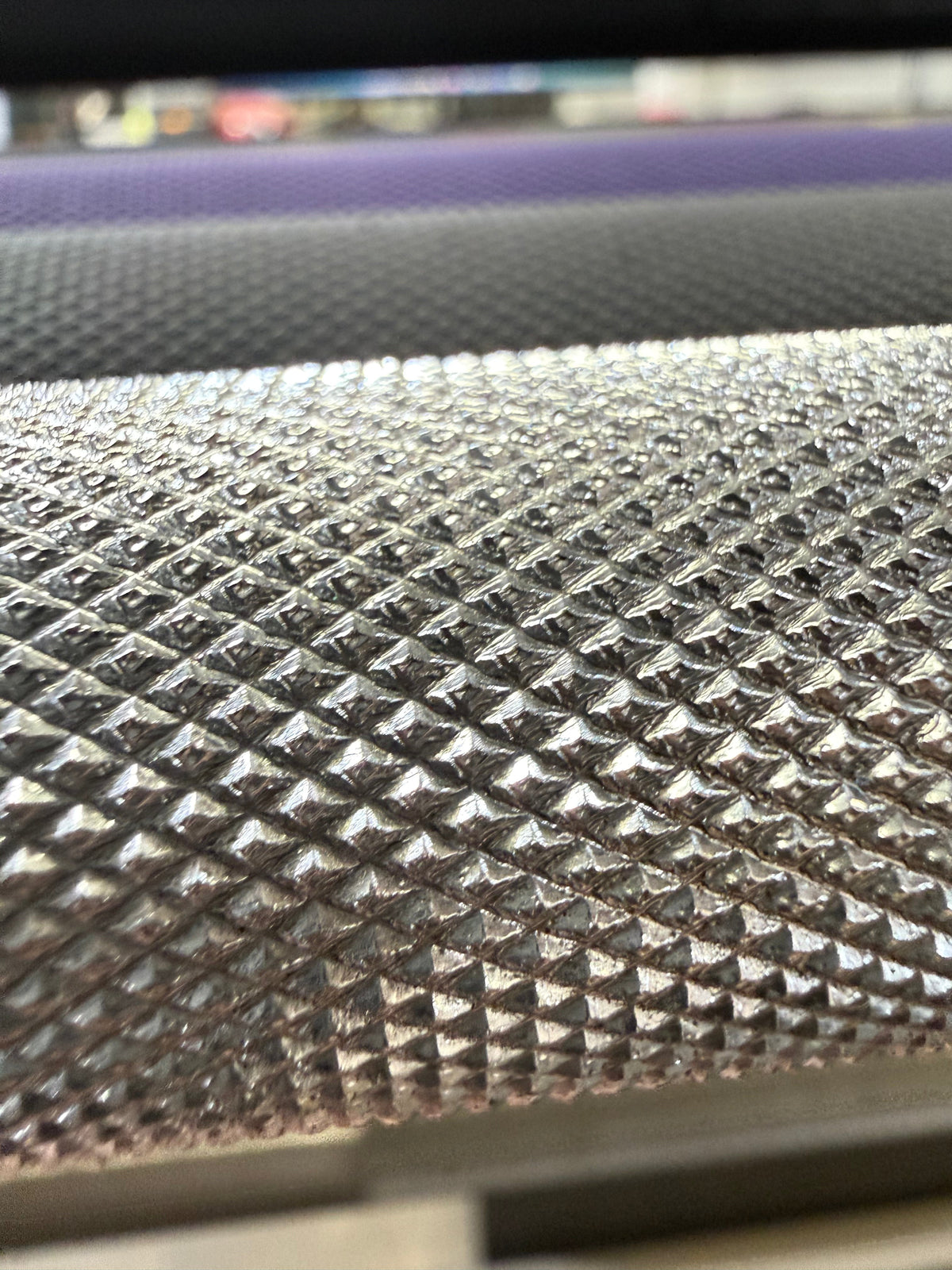
For many lifters, the answer comes down to feel. Bare steel provides direct contact with the bar's original knurling, without a protective coating between the hands and the steel.
But bare steel isn't automatically the best finish for everyone. It requires more maintenance, naturally develops a patina, and can develop surface rust over time.
At Texas Power Bars, we've manufactured American-made barbells since 1980. We offer multiple finish options because different lifters have different grip preferences, training environments, and maintenance expectations.
What Is a Bare Steel Barbell?
A bare steel barbell has an uncoated steel surface rather than a protective shaft finish such as chrome, zinc, or Cerakote.
That leaves the original steel and knurling directly exposed.
The advantage is a traditional, uncoated grip feel. The tradeoff is that the steel has no corrosion-resistant coating to protect it from humidity, sweat, moisture, and oxidation.
1. Some Lifters Prefer the Raw Knurling Feel
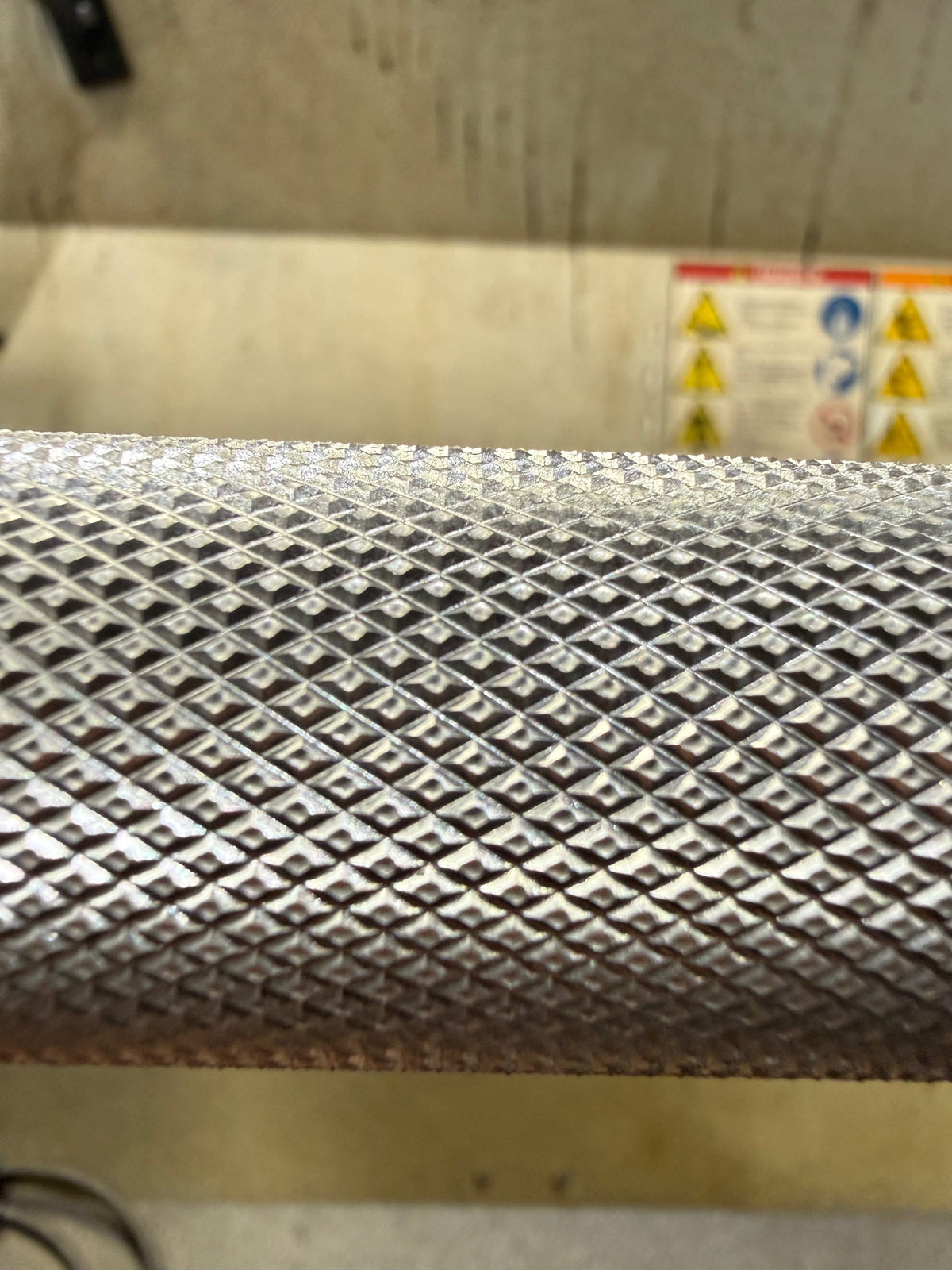
One of the most common reasons lifters choose bare steel is how the knurling feels.
Without an applied coating, the hands contact the steel's original machined surface directly.
This can appeal to powerlifters who prefer a traditional, aggressive grip for heavy squats, bench presses, and deadlifts.
However, bare steel is not automatically grippier than every coated barbell. Knurl depth, pattern, coating application, chalk, and personal preference all influence how a bar feels.
2. Bare Steel Has a Traditional Powerlifting Feel
Bare steel has a long history in serious strength training.
Many experienced lifters appreciate the classic appearance and straightforward construction of an uncoated barbell.
The Original Texas Power Bar is available in bare steel as well as protective finishes, allowing lifters to choose between the traditional raw feel and added corrosion resistance.
For some athletes, the appeal of bare steel is simply familiarity. They know the texture they like and are comfortable with the care it requires.
3. Bare Steel Develops Its Own Character Over Time
Unlike a protective finish designed to retain a more consistent appearance, exposed steel naturally changes as it ages.
With regular handling and exposure to the environment, bare steel can gradually darken or develop uneven discoloration known as patina.
Patina is a normal characteristic of exposed steel. Depending on storage conditions and maintenance, the bar may also develop surface rust.
Some lifters appreciate the lived-in appearance. Others prefer a finish that helps the bar retain its original look.
Important: Bare steel is not intended to remain bright and unchanged indefinitely. Regular care can reduce unwanted corrosion, but cosmetic changes should be expected.
4. Some Lifters Prefer an Uncoated Surface
A protective finish changes the interface between the lifter's hands and the barbell shaft.
The degree of change depends on the finish, the quality of its application, and the original knurling.
Bare steel allows a lifter to experience the underlying knurl without any applied protective layer.
That preference is subjective. Many lifters are equally comfortable with Chrome, Black Zinc, or Cerakote, especially when the knurling is well executed.
5. Bare Steel Can Make Sense in the Right Environment
Bare steel is easier to maintain in a dry, climate-controlled training facility than in an environment with frequent humidity or condensation.
In an air-conditioned gym, an owner who cleans and oils the bar regularly may be comfortable with the additional upkeep.
In a humid garage gym, however, Chrome, Black Zinc, or Cerakote may be a more practical choice.
Choosing a barbell finish should account for where it will be stored, not only how it feels when new.
What Are the Disadvantages of Bare Steel Barbells?
Before choosing bare steel, consider the following tradeoffs:
- No protective coating: Exposed steel is more susceptible to corrosion.
- Natural patina: The appearance will change with time and use.
- Possible surface rust: Especially in humid or poorly maintained environments.
- More frequent cleaning: Chalk, sweat, and moisture should be removed regularly.
- Periodic oiling: A light protective oil can help reduce oxidation.
These characteristics are part of choosing an exposed steel finish, not necessarily evidence of poor craftsmanship.
Bare Steel vs Chrome vs Black Zinc vs Cerakote
| Finish | Main Appeal | Tradeoff |
|---|---|---|
| Bare Steel | Direct, uncoated knurl feel | More maintenance, patina, possible rust |
| Chrome | Classic appearance, added corrosion resistance | A plated rather than raw steel feel |
| Black Zinc | Dark finish with additional protection | Finish may wear or change appearance with use |
| Cerakote | Corrosion protection and color choices | Coated feel; appearance can show wear |
All working barbell finishes need some care. None is permanently immune to wear or environmental damage.
For a detailed comparison, read our Barbell Finishes Explained guide.
What Is the Best Bare Steel Barbell?
The best bare steel barbell depends on the lifts you perform, your grip preference, and the shaft and sleeve specifications you need.
For lifters who prefer a classic powerlifting bar, the Original Texas Power Bar offers an aggressive 28.5mm shaft and traditional three-lift versatility.
For those seeking a stiffer 29mm power bar, the PRO Texas Power Bar is worth comparing in its available finishes.
Lifters interested in the most refined power bar in the lineup should also consider the Texas Power Bar ELITE, including its choice of aggressive or medium knurling.
Whichever bar you choose, select the finish separately based on your environment and maintenance preference. A premium coated bar can be a better long-term fit than bare steel for many owners.
Should You Buy a Bare Steel Barbell for a Garage Gym?
You can use bare steel in a garage gym, but it requires greater attention to moisture and temperature changes.
Unconditioned garages may experience humidity, condensation, and seasonal weather changes that accelerate oxidation.
If you're willing to clean and maintain the bar regularly, bare steel remains an option. If you prefer less upkeep, a corrosion-resistant finish is often the more practical choice.
Final Thoughts: Why Do Some Lifters Choose Bare Steel?
Some lifters choose bare steel because they prefer the direct knurl feel, traditional appearance, and familiar experience of uncoated steel.
Others prefer Chrome, Black Zinc, or Cerakote for their additional corrosion resistance and reduced maintenance demands.
Neither preference is inherently right or wrong.
Bare steel delivers a raw, traditional feel. Protective finishes offer practical advantages for many training environments.
Choose the barbell that fits your lifting goals, then select the finish that fits how and where you train.
Explore PRO Texas Power Bar | Explore Original Texas Power Bar | Compare All Texas Power Bars

Leave a comment
All comments are moderated before being published.
This site is protected by hCaptcha and the hCaptcha Privacy Policy and Terms of Service apply.